Lookouts in Stanley Park, Vancouver, BC, Canada
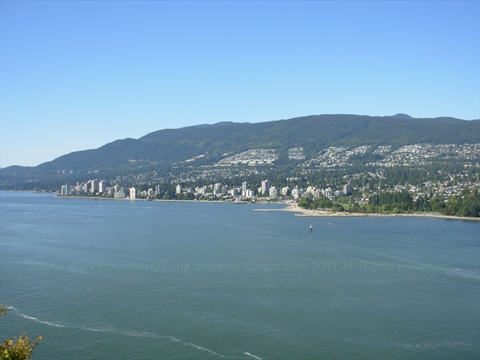
There are a number of spectacular lookouts and viewpoints strategically positioned throughout Stanley Park that offer magnificent, sweeping views of Downtown Vancouver, North Vancouver, West Vancouver, Burrard Inlet, and the expansive Pacific Ocean to the west.
The main 5 Lookouts in Stanley Park are: Prospect Point Lookout, the West and North Vancouver Lookout, the Port of Vancouver Lookout, the Siwash Rock Lookout, and the Lost Lagoon Lookout.
1. Prospect Point (Lowdens') Lookout
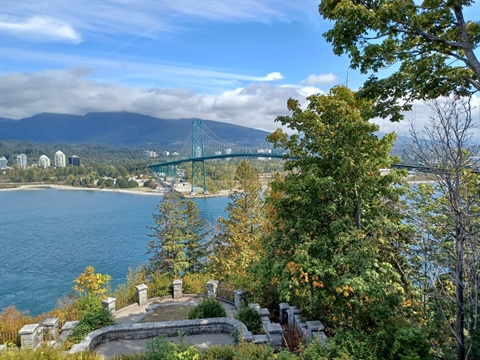
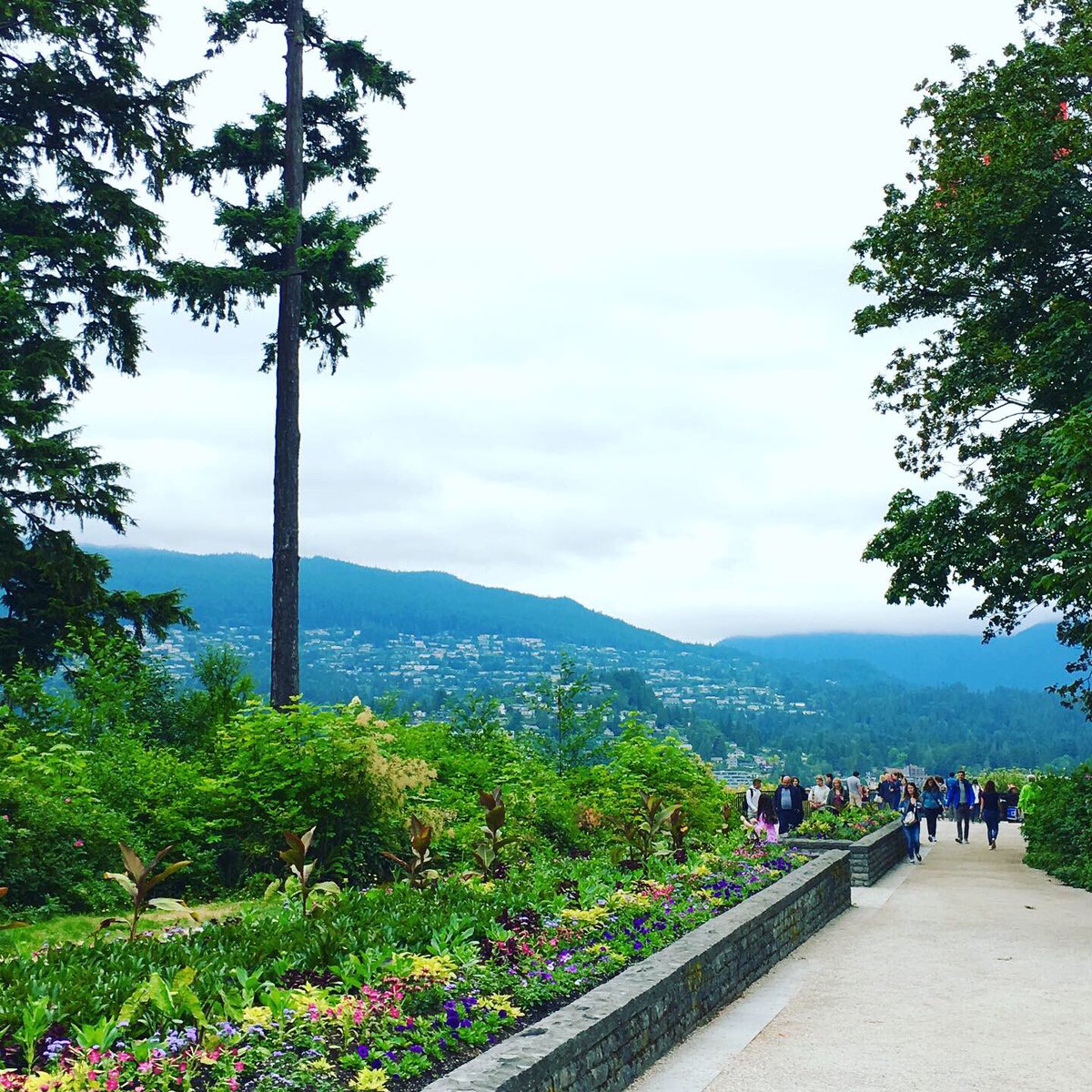
The Prospect Point (Lowdens') Lookout is the highest natural elevation point of Stanley Park and has great, unobstructed views of the ocean to the west, West and North Vancouver to the north, and the iconic Lions Gate Bridge.
This lookout is located at the very peak of Prospect Point, which anchors the extreme north-west side of Stanley Park.
You can thank Vancouver's early shipping activities for this viewpoint—originally the site of a signal station that guided ships through First Narrows.
Towering Beacon of Safety
A two-storey signal station once sat atop Prospect Point, 67 metres (220 feet) above the sea to alert approaching vessels of strong tides, winds and maritime traffic. Installed in 1910, it helped prevent groundings and collisions in the Narrows. The Prospect Point lighthouse keeper took on the signal station job as an added responsibility. To access the station, he climbed from his boat up a narrow, zigzagging stairway west of the cliff face—a dangerous task during a slippery, wet night.
Service and Dedication
Originally the site of a signal station that guided ships through First Narrows, this viewpoint was named in 2009 for Jim Lowden, a devoted Park Board director. In his 25 years of service to the citizens of Vancouver, Jim left an enduring legacy in the city's recreation facilities, waterfront, and green spaces. Jim adeptly guided the successful restoration of Stanley Park after a massive windstorm in December 2006 swept across the peninsula, leveling thousands of trees in its path. This lookout represents Jim's passion for Stanley Park—his commitment to honour its storied past while restoring it for the benefit of future generations.
From Flags to Radar
Keepers of the original signal station hoisted flags up a mast at all hours to report ship movements. An upgrade to the station in 1922 added a signal light, balls, and cones—used and arranged in certain ways to tell ships entering First Narrows of vessels approaching or ahead of them. On top of warning of hazards, the keeper maintained a daily log of incoming ships to report to the Vancouver harbourmaster. This allowed ships' agents to accurately track their vessels' movements in and out of the harbour. Today, shipping traffic is regulated from the black tower on the North Shore using radar.
Gateway to the Pacific
In the early 1900s, trade grew steadily after the Canadian Pacific Railway chose Vancouver as its terminus over Port Moody. This improved connections between ships in the harbour and railways carrying raw resources such as timber. Ships bringing goods and passengers to Vancouver came from USA, Asia, Britain, Europe, and Eastern Canada. Today, the port receives about 3,000 vessels each year.
2. West and North Vancouver Lookout
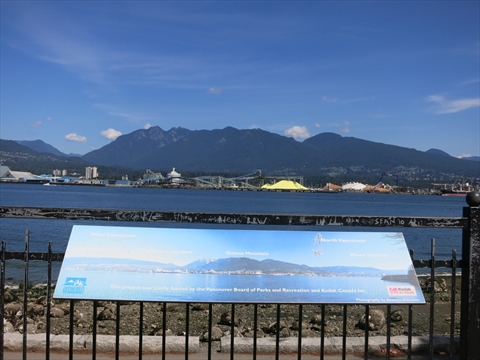
The West and North Vancouver Lookout offers a fantastic, low-elevation panoramic view straight across the Burrard Inlet toward West and North Vancouver, and features a storyboard that points out the various distinct peaks of the North Shore mountains.
3. Port of Vancouver Lookout
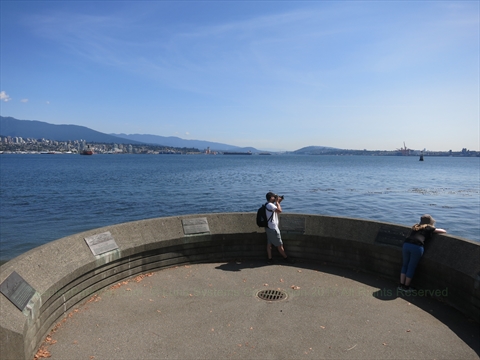
The Port of Vancouver Lookout offers an exceptional view of the inner Burrard Inlet and highlights the massive, industrial working capacity of the Port of Vancouver.
From this specific lookout, you can clearly see many of the active working shipping terminals, gantry cranes, and massive freighters anchored at the port.
The Port of Vancouver Lookout is located on the northeast corner of Stanley Park. It sits just off of the paved Stanley Park Seawall and is mere steps away from the Brockton Point Lighthouse.
There are a series of distinct bronze plaques mounted on the lookout railing which describe the vast, global shipping activities that take place across the harbor:
Celebrating the Centennial of Stanley Park. The Port of Vancouver LOOK-OUT is presented to the Vancouver Board of Parks and Recreation for the enjoyment of Canadians, and for our visitors whose homelands are linked to us by the oceans of the world.
The Vancouver Port Corporation, Captain Hector D. Perry, Chairman. November, 1988.
The land-mark 'sails' of Canada Place welcome the Port's most elegant callers - the international cruise liners. Each year, thousands of passengers set sail from Vancouver's cruise ship terminals; voyaging north along Canada's West Coast, through the Inside Passage to Alaska, and its storied ports of call.
Bright orange container cranes locate the Port's major container terminals on the south shore. Consumer goods imported from many Pacific Rim nations arrive in modern container ships to be distributed across the continent by high-speed trains. Returning containers carry a variety of Canadian export products back across the Pacific.
The distinctive silhouette of elevator terminals signal the Port's historic role as shipper of millions of tonnes of Canadian grain, such as wheat, barley, and canola to markets world-wide. More specialized products, including fresh and processed seafood, fruit and beef is exported in ventilated or refrigerated containers.
The Port's diverse cargo sectors are handled by more than two dozen specialized terminals, including a variety of forest products facilities. Pulp, paper, logs and lumber are moved in general cargo vessels, wood chips in bulk ships, and certain higher-value wood products in containers.
Yellow sulphur from Alberta, potash from Saskatchewan, coal from British Columbia. Millions of tonnes of ore, concentrates, and petroleum products move through the Port's north shore terminals each year. From mine-site to rail-car to giant bulk carrier—Canada's mining resources are traded to nations on six continents.
4. Siwash Rock Lookout
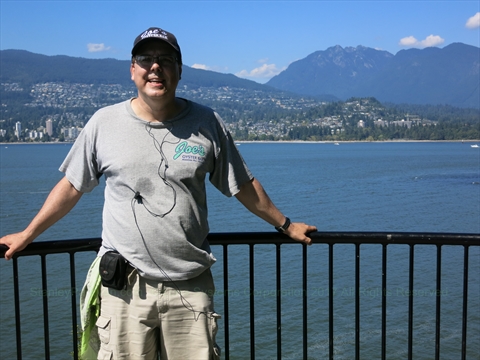
The Siwash Rock viewpoint offers a spectacular, elevated view looking down directly to the west. In particular, you get incredible, isolated views of the legendary sea stack Siwash Rock, the sands of Third Beach, West Vancouver, and the open ocean.
5. Lost Lagoon Lookout
The Lost Lagoon Lookout offers a fantastic, protected view out across the calm surface of Lost Lagoon and centers perfectly on the spray of the Jubilee Fountain.
The Lost Lagoon Lookout is located on the southeast side of Lost Lagoon, positioned on the viewing roof of the Nature House. This is very close to the primary neighborhood intersection of Alberni and Chilco streets.